
In a notable development amid ongoing geopolitical tensions, representatives from 13 countries and the office of the NATO Secretary General convened in Kyiv to advance plans for a new “anti-ballistic coalition.” The initiative focuses on bolstering European production of missile defense systems, aiming to reduce reliance on external suppliers and strengthen collective security against aerial threats.
The meeting, held on May 12, 2026, comes as Russia continues its large-scale missile and drone assaults on Ukraine. Ukrainian President Volodymyr Zelenskyy described the effort as a coordinated push to manufacture advanced air and missile defense capabilities on European soil. Officials framed the coalition as a defensive industrial partnership rather than a new military alliance, emphasizing joint production, technology sharing, and enhanced readiness.
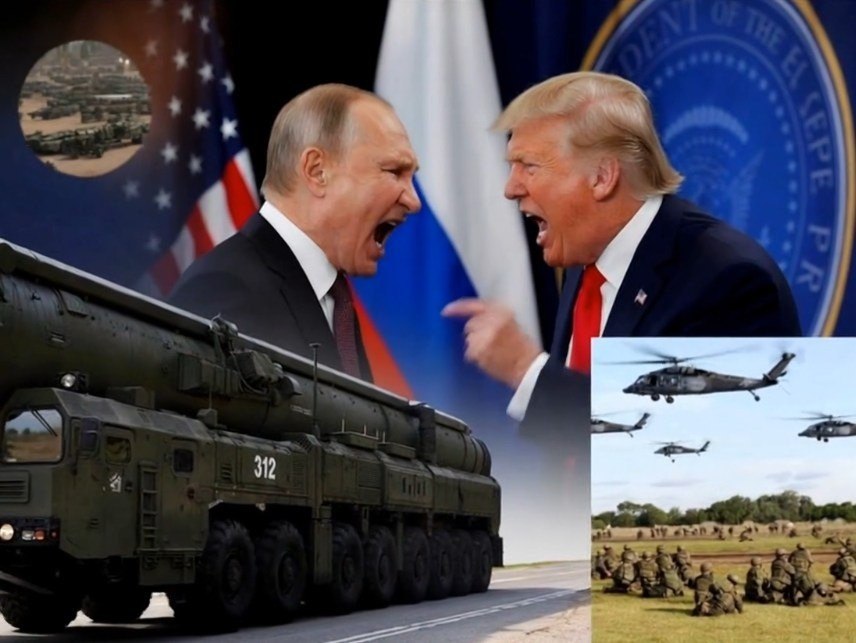
Images circulating from related defense activities have shown missile transport systems and high-level discussions, underscoring the seriousness of the endeavor. Military analysts view this as a significant step toward greater European strategic autonomy in air defense—a domain where Europe has historically depended heavily on U.S. systems such as Patriot batteries.
“This is about building resilience and deterrence through industrial cooperation,” one defense expert noted. The coalition seeks to address critical gaps exposed by prolonged conflict, where ballistic missiles pose persistent challenges to existing defenses.
The announcement has prompted measured responses from world capitals. While some leaders express support for strengthening NATO partners’ capabilities, others caution against actions that could further escalate tensions with Russia. International forums have called for sustained diplomatic engagement alongside these defensive measures.
The broader context includes recent intense Russian strikes on Ukrainian cities, including Kyiv, using advanced systems like the Oreshnik intermediate-range ballistic missile. These attacks have intensified urgency around air defense.
As the coalition moves forward, questions remain about its exact membership, timelines for production, and long-term impact on European security architecture. Supporters see it as a pragmatic response to evolving threats, while skeptics worry it could contribute to a more militarized environment. For now, the focus remains on practical cooperation to protect lives and infrastructure in an increasingly volatile region.
Global observers continue to monitor developments closely, recognizing that effective deterrence and diplomacy will both be essential in navigating the current security challenges.
