Understanding Red Dots on the Skin: What They May Indicate and When to Pay Attention
Staying Aware of Changes in Your Body
Many people develop a routine of casually checking their bodies for anything that feels or looks unusual. This can include noticing changes in the skin, such as new marks, discolorations, bruises, or bumps that were not there before. While some might describe this habit as being overly cautious, for others it is simply a way to stay informed and attentive to their own health.
Our bodies often give us subtle visual cues when something has changed. Being aware of those signals does not necessarily mean assuming the worst; instead, it allows us to recognize what is normal for us and what might deserve a closer look. Whether it is a new freckle, a rash, or a small cluster of red dots, awareness helps ensure that nothing significant goes unnoticed.
For many people, discovering something unexpected on their skin can be surprising, even unsettling. This is especially true when the change appears suddenly or without an obvious cause. In today’s digital age, it is common for individuals to seek general information online to better understand what they are seeing before deciding whether further action is needed.
One common concern that prompts curiosity is the appearance of red dots or spots on the skin. These marks can appear on various parts of the body and can have many different explanations.
Why Red Spots on the Skin Are So Common
Red spots on the skin are far from rare. In fact, they are one of the most commonly noticed skin changes among people of all ages. These spots can vary significantly in appearance. Some are flat, while others are raised. Some are bright red, while others appear darker or more purple in tone. Their size can range from tiny pinpoints to larger patches, and they may appear alone or in clusters.
Because the skin is the body’s largest organ and is constantly exposed to environmental factors, it reacts to a wide range of internal and external influences. Changes in temperature, physical activity, immune responses, and even stress can affect how the skin looks.
Importantly, not all red spots are a sign of illness. Many are harmless and temporary, resolving on their own without any treatment. Others may be related to conditions that are manageable or easily addressed once identified. Understanding the range of possible causes can help reduce unnecessary worry while also encouraging appropriate attention when needed.
Small Red or Purple Dots: Petechiae and Purpura
Some red or purplish spots appear as very small dots under the surface of the skin. These are often referred to as petechiae or purpura. They occur when tiny blood vessels, known as capillaries, break and leak small amounts of blood into the surrounding tissue.
These spots may appear after physical strain, such as intense coughing, heavy lifting, or prolonged pressure on the skin. In some cases, they may be associated with certain medications or temporary changes in the body.
Often, these dots are harmless and fade over time. However, in certain situations, they may be linked to underlying issues involving blood clotting or platelet levels. Because of this wide range of possibilities, persistent or unexplained appearances of these spots may warrant professional evaluation.
Raised Bright Red Spots: Cherry Angiomas
Cherry angiomas are another common cause of red spots on the skin. These appear as small, raised growths that are typically bright red or deep crimson in color. They are formed by clusters of small blood vessels and are especially common as people age.
These spots are generally considered benign and do not usually cause pain or discomfort. Many people develop several cherry angiomas over time, often on the torso, arms, or shoulders.
While they are not typically a cause for concern, some individuals choose to have them evaluated for reassurance or cosmetic reasons. In most cases, no treatment is necessary unless the spot changes significantly or becomes irritated.
The Value of Regular Self-Observation
Making a habit of occasionally checking your skin allows you to become familiar with what is normal for your body. This makes it easier to notice when something changes, even if that change turns out to be harmless.
Skin changes often happen gradually, and without regular observation, they may go unnoticed. Recognizing patterns—such as seasonal dryness or temporary rashes after exercise—can help distinguish between normal variations and something that feels unfamiliar.
The goal of self-observation is not to create anxiety but to promote awareness. Knowing when something is new or unusual allows for informed decisions about whether additional attention is needed.
Heat Rash: A Common Environmental Cause
Heat rash is a frequent and typically mild condition that occurs when sweat becomes trapped in the skin’s sweat ducts. This is more likely to happen in hot or humid environments, or during periods of increased physical activity.
The trapped sweat can lead to small red bumps or dots that may feel itchy or uncomfortable. Heat rash often appears in areas where clothing causes friction or where sweat accumulates, such as the shoulders, neck, chest, or back.
In most cases, heat rash resolves on its own once the skin cools and stays dry. Wearing breathable fabrics and avoiding excessive heat can help reduce the likelihood of recurrence.
Allergic Reactions and Skin Sensitivity
Allergic reactions are another common reason for red spots or rashes on the skin. The skin may react to a wide variety of triggers, including certain foods, medications, skincare products, plants, or insect bites.
These reactions can appear as red dots, patches, or raised areas and may be accompanied by itching or irritation. The severity of the reaction can vary depending on the individual and the trigger involved.
Identifying and avoiding known allergens is often the most effective way to prevent these reactions. When the cause is unclear or symptoms persist, professional guidance can help determine the best course of action.
Folliculitis: Inflammation of Hair Follicles
Folliculitis occurs when hair follicles become inflamed, often due to bacterial or fungal growth. This condition commonly appears as small red bumps that may contain pus and can be tender or itchy.
It can develop in areas where hair follicles are irritated by shaving, friction, or tight clothing. Warm, moist environments can also contribute to its development.
While mild cases may improve with basic skin care and hygiene, persistent or widespread folliculitis may require further attention to prevent complications.
Cellulitis: A Condition That Requires Prompt Care
Cellulitis is a bacterial infection that affects deeper layers of the skin. It often causes redness, swelling, and skin that feels warm to the touch. Unlike many minor skin conditions, cellulitis typically does not resolve without medical treatment.
This condition can spread if left unaddressed and may be accompanied by discomfort or other systemic symptoms. Because of its potential seriousness, any suspected signs of cellulitis should be evaluated promptly by a qualified professional.
Impetigo: A Contagious Skin Infection
Impetigo is a bacterial skin infection most commonly seen in children, although it can affect individuals of any age. It often begins as red sores that can break open, ooze fluid, and form a crust over time.
Because impetigo is contagious, early identification and treatment are important to prevent spreading, particularly in group settings such as schools or households.
Vasculitis and Blood Vessel Inflammation
Vasculitis refers to inflammation of the blood vessels, which can sometimes result in red or purplish spots on the skin. This condition may be associated with immune responses, infections, or other underlying factors.
The appearance and severity of symptoms can vary widely. Because vasculitis can involve more than just the skin, professional evaluation is often necessary to determine its cause and significance.
Hemangiomas and Vascular Birthmarks
Hemangiomas are growths caused by an abnormal collection of blood vessels. They are often present at birth or develop early in life, though some may appear later.
Most hemangiomas are harmless and may shrink or fade over time. However, their size or location may influence whether further evaluation is recommended.
When Red Spots Are Usually Not a Cause for Alarm
In many cases, red dots on the skin are temporary and resolve without intervention. Factors such as minor irritation, environmental exposure, or brief immune responses can all lead to short-lived skin changes.
Understanding that not every mark indicates a serious issue can help reduce unnecessary stress. The key is recognizing patterns and paying attention to how the skin changes over time.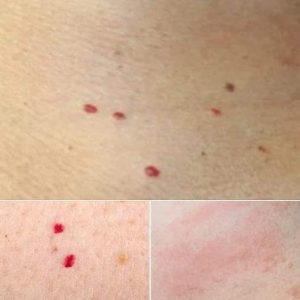
Signs That May Warrant Medical Advice
While many red spots are harmless, certain accompanying signs may suggest the need for professional evaluation. These include:
-
Red spots that spread rapidly or change in appearance
-
Persistent pain, swelling, or warmth
-
The presence of fever or general discomfort
-
Spots that appear alongside fatigue, weakness, or dizziness
Seeking guidance in these situations can help ensure appropriate care and peace of mind.
A Balanced Approach to Skin Awareness
Staying informed about your body does not mean assuming the worst. Instead, it allows you to approach changes with a calm and informed perspective. By understanding the wide range of possible explanations for red spots on the skin, you can better decide when to observe and when to seek advice.
Skin changes are a normal part of life, and most are manageable or temporary. Awareness, combined with reliable information and professional guidance when needed, supports overall well-being.
Final Thoughts
Noticing red dots on your skin can be surprising, but it is reassuring to know that there are many possible explanations, most of which are not serious. From environmental factors to common skin conditions, the causes are diverse and often manageable.
Remaining observant, informed, and proactive—without unnecessary alarm—can help you navigate these changes with confidence.
If you found this article informative, you may also be interested in learning about other everyday body changes and what they can mean, such as common reasons for fabric discoloration or skin sensitivity.
Red Dots on Your Skin: Causes and What They Could Mean…
Noticing tiny red spots on your skin can feel worrying. They may show up suddenly or develop over time. Some are completely harmless, while others may point to health issues that need attention.
One common cause is cherry angiomas. These are small, bright red bumps made of blood vessels. They often appear with age and are usually harmless, though they may bleed if irritated.
Petechiae are another type, appearing as very small red or purple dots under the skin. They don’t fade when pressed and can sometimes indicate infections or blood-related conditions, so sudden cases should be checked.
Red dots can also come from skin irritation or allergic reactions. Conditions like eczema or contact dermatitis may cause itching, dryness, and redness, often triggered by products, fabrics, or certain foods.
Keratosis pilaris, often called “chicken skin,” creates small bumps on areas like arms or thighs. It’s caused by blocked hair follicles and is harmless, though moisturizing and gentle exfoliation can improve it.
Heat rash is another frequent cause, especially in hot weather. Blocked sweat glands lead to itchy or prickly red bumps, which usually disappear once the skin cools down.
Infections, both viral and bacterial, may also cause red spots. If these appear with fever, fatigue, or sore throat, medical advice is important. Some medications can also trigger similar skin changes.
While many cases are minor, you should seek medical help if spots spread quickly, don’t fade, or come with other symptoms. If you’re unsure, it’s always safest to consult a healthcare professional for proper evaluation.